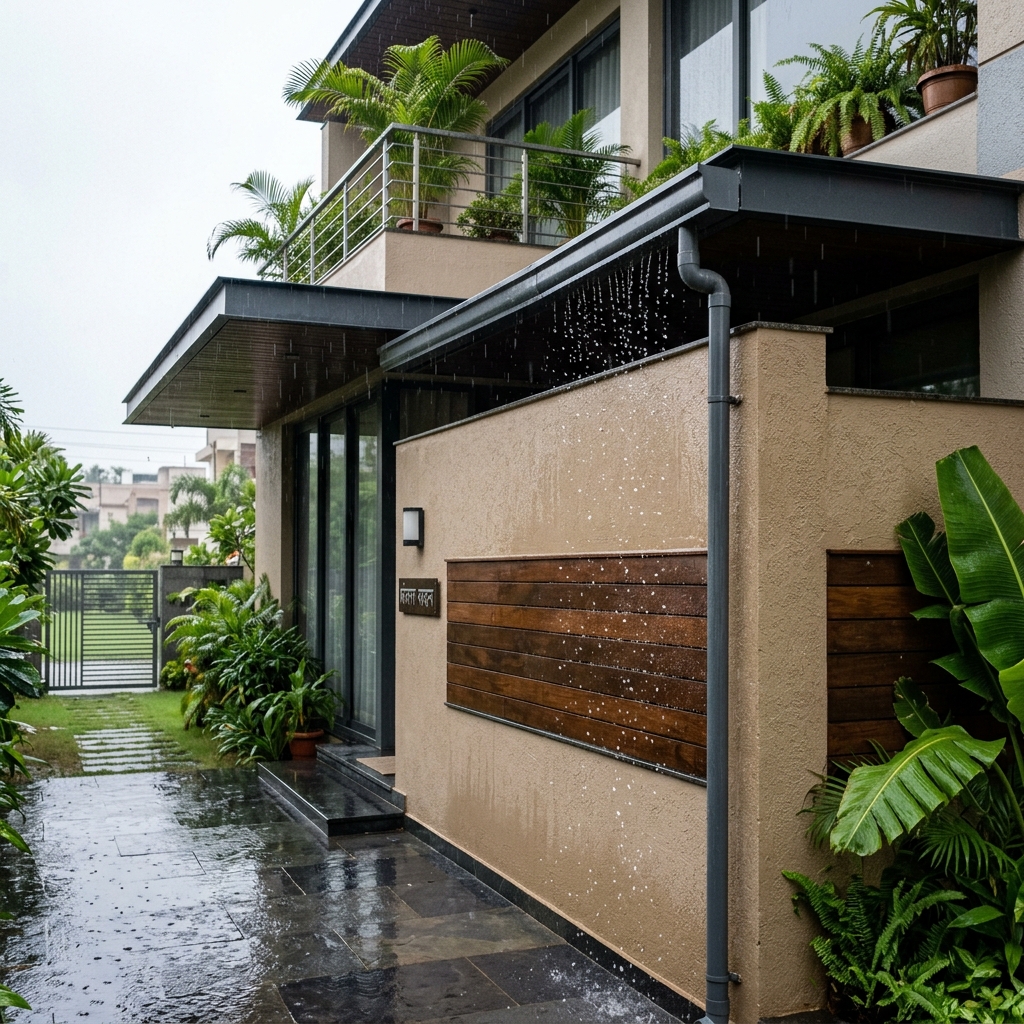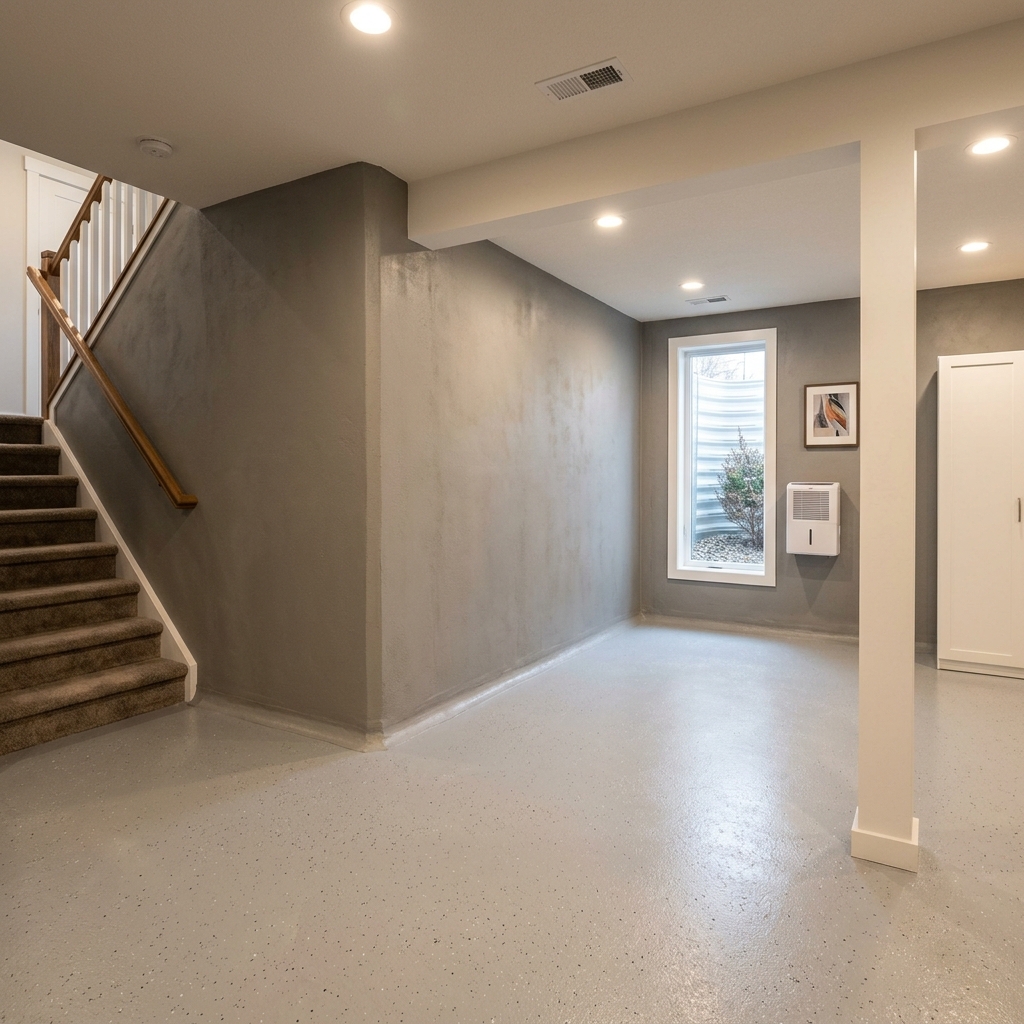
There are few things as alarming as walking down into your basement and smelling that unmistakable, musty odor of trapped moisture. In Indore, where the soil retains significant water long after the heavy monsoons, underground residential spaces are incredibly vulnerable to hydrostatic pressure. What begins as a tiny, harmless-looking damp patch on your basement wall can rapidly escalate into severe foundation decay, threatening the structural stability of your entire property.
Professional waterproofing for the basement tackles water entry at the true source. Understanding the science behind these seepage issues and how modern chemical treatments permanently resolve them can save homeowners from devastating future repair bills.
Why Is Basement Waterproofing Essential for Homes in Indore?
Basement waterproofing is essential for homes in Indore because it stops groundwater from infiltrating porous concrete foundation walls. Without this protective barrier, hydrostatic pressure forces moisture through structural joints, causing rapid steel corrosion, toxic mold growth, and expensive structural degradation across the entire building.
Basements are built deep into the earth, meaning they are in constant, direct contact with surrounding soil moisture. Over time, concrete naturally develops microscopic fractures. When monsoon rainwater saturates the ground, it exerts massive pressure against your basement walls. Effective waterproofing acts as an impenetrable defensive shield, drastically improving indoor air quality and ensuring your foundation remains solid for decades.
What Are the Early Signs and Common Causes of Basement Seepage?
The most common early signs of basement seepage include peeling interior paint, white powdery salt deposits known as efflorescence, and a persistent musty smell. These issues are primarily caused by intense hydrostatic pressure pushing groundwater through aging foundation cracks or poorly sealed construction joints.
One of the biggest challenges with basement moisture is that the structural damage often remains completely hidden until it is too late. Many older buildings in residential colonies were constructed without advanced elastomeric waterproof membranes. Even in newer homes, if foundation sealing is treated as a secondary priority during construction, groundwater will inevitably find its way in.
What Is the Professional Basement Waterproofing Process?
The professional basement waterproofing process starts with a comprehensive structural inspection to locate active moisture entry points. Engineers then relieve external water pressure, inject high-grade epoxy into deep foundation cracks, and apply multiple layers of elastomeric protective membranes to create a fully watertight seal.
Applying basic waterproof paint over a damp basement wall is a recipe for disaster; the moisture will simply push the paint off within months. True professional solutions involve rigorous surface preparation, technical crack sealing, and utilizing high-performance chemical treatments that bond seamlessly with concrete to withstand prolonged environmental stress.
How Do Interior and Exterior Basement Waterproofing Compare?
Interior waterproofing manages water that has already entered the basement using sealants and specialized drainage systems, making it a highly cost-effective approach. Exterior waterproofing involves excavating the surrounding soil to stop water from ever touching the foundation walls, offering the ultimate level of permanent structural protection.
Property owners often wonder which approach is best for their specific situation. The choice heavily depends on whether the building is currently under construction, the severity of the active leakage, and the surrounding landscape.
| Waterproofing Method | Primary Function | Cost & Installation | Best Use Case |
|---|---|---|---|
| Interior Waterproofing | Blocks moisture from entering the living space from the inside. | More economical; can be done anytime without excavation. | Existing homes experiencing minor to moderate dampness or seepage. |
| Exterior Waterproofing | Stops groundwater from ever touching the outside foundation walls. | Higher investment; requires heavy soil excavation. | New construction phases or severe, structural-level flooding issues. |
| Epoxy Crack Injection | Structurally welds active foundation cracks together. | Highly targeted; minimal disruption. | Localized wall cracks leaking under active hydrostatic pressure. |
How Does Basement Waterproofing Support Complete Home Protection?
Basement waterproofing supports complete home protection by preventing foundation-level moisture from traveling upward into your living rooms and bedrooms through capillary action. By securing the base of your home, you actively protect your interior paint, flooring, and electrical wiring from devastating rising dampness.
Moisture acts like a slow-moving virus within a building. Many frustrating dampness issues on the ground floor actually originate from untreated foundation seepage. By neutralizing the threat at the basement level, homeowners drastically enhance the lifespan and performance of all other aesthetic treatments in the home.
If you are actively experiencing severe dampness and require an immediate, permanent solution, explore our professional waterproofing services in Indore to schedule a comprehensive structural assessment today.
Frequently Asked Questions
Why is basement waterproofing important for homes?
Basement waterproofing prevents groundwater seepage, rising dampness, toxic mould growth, and structural weakening by sealing concrete cracks and creating protective barriers. It keeps foundations completely dry, improves indoor air quality, protects stored items, and significantly reduces long-term structural repair expenses.
What factors affect basement waterproofing cost?
The total cost depends heavily on the basement’s square footage, the severity of the active leakage, the chemical treatment type, and the materials used. Interior treatments generally cost less, while exterior waterproofing requires a higher investment due to heavy soil excavation and labour.
What are the most common signs of basement water leakage?
Common signs include spreading damp patches on walls, rapidly peeling paint, a strong musty smell, white salt deposits (efflorescence), and visible concrete cracks. These symptoms indicate trapped moisture and foundation stress, requiring immediate structural repair.
Why hire professional basement waterproofing companies?
Professional basement waterproofing companies provide accurate technical inspections, precise chemical selection, and skilled application that DIY methods cannot match. Standard paints fail under extreme groundwater pressure, whereas professionals deliver durable, membrane-based solutions tailored specifically to local soil conditions.
How does basement waterproofing protect other areas of the house?
It completely stops moisture from traveling upward through the foundation walls via capillary action. This protects your ground-floor kitchens, bathrooms, and living areas from rising dampness, ensuring complete structural protection across all monsoon seasons.
What is involved in waterproofing basement walls?
The process involves aggressive surface grinding and cleaning, deep crack injection with epoxy, specialized chemical treatments, and the application of thick, elastomeric protective coatings. These layers chemically bond with the wall to block water penetration and resist intense hydrostatic pressure.

About the Author: Vishwas Home Team
The Vishwas Home Team is a collective of structural engineers, certified applicators, and waterproofing specialists based in Indore. With decades of hands-on experience in resolving deep-rooted seepage problems, the team is committed to providing homes with permanent, inspection-led waterproofing solutions using the industry’s highest quality branded materials.