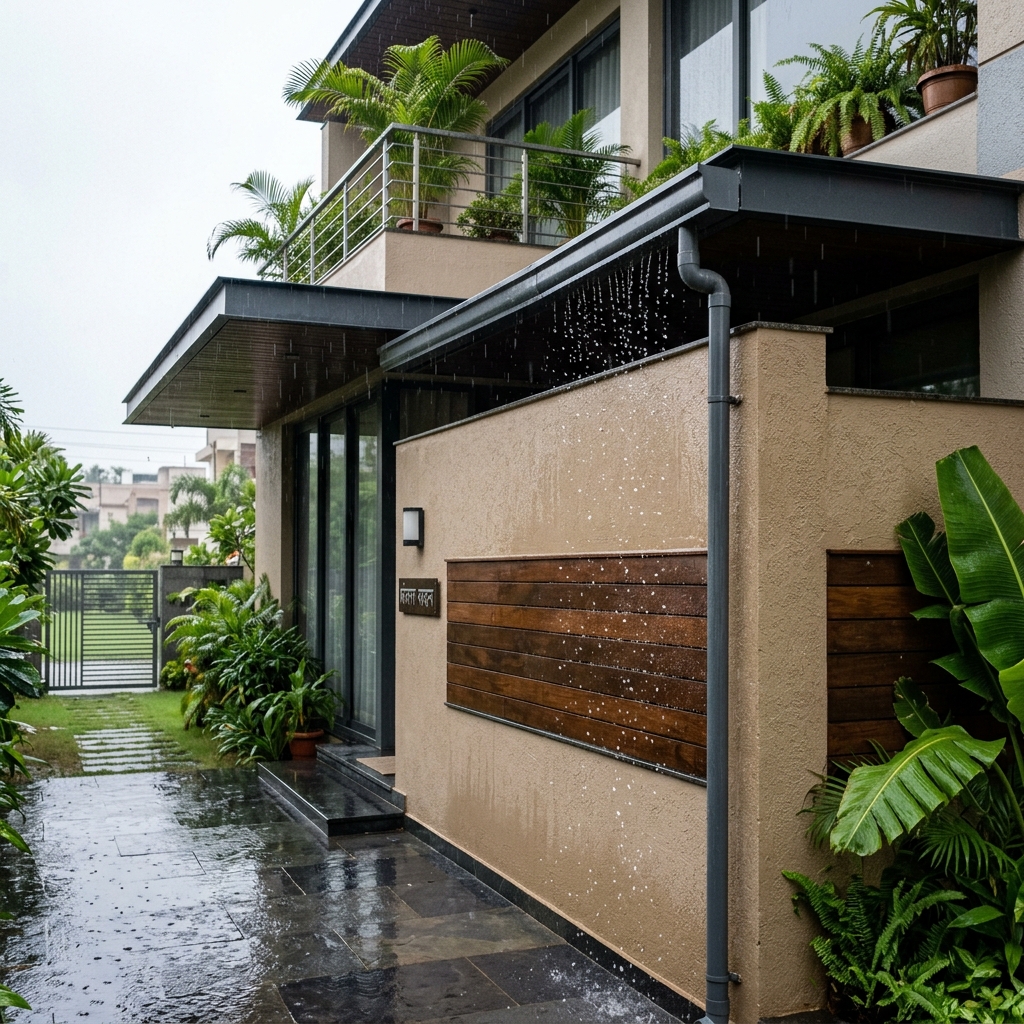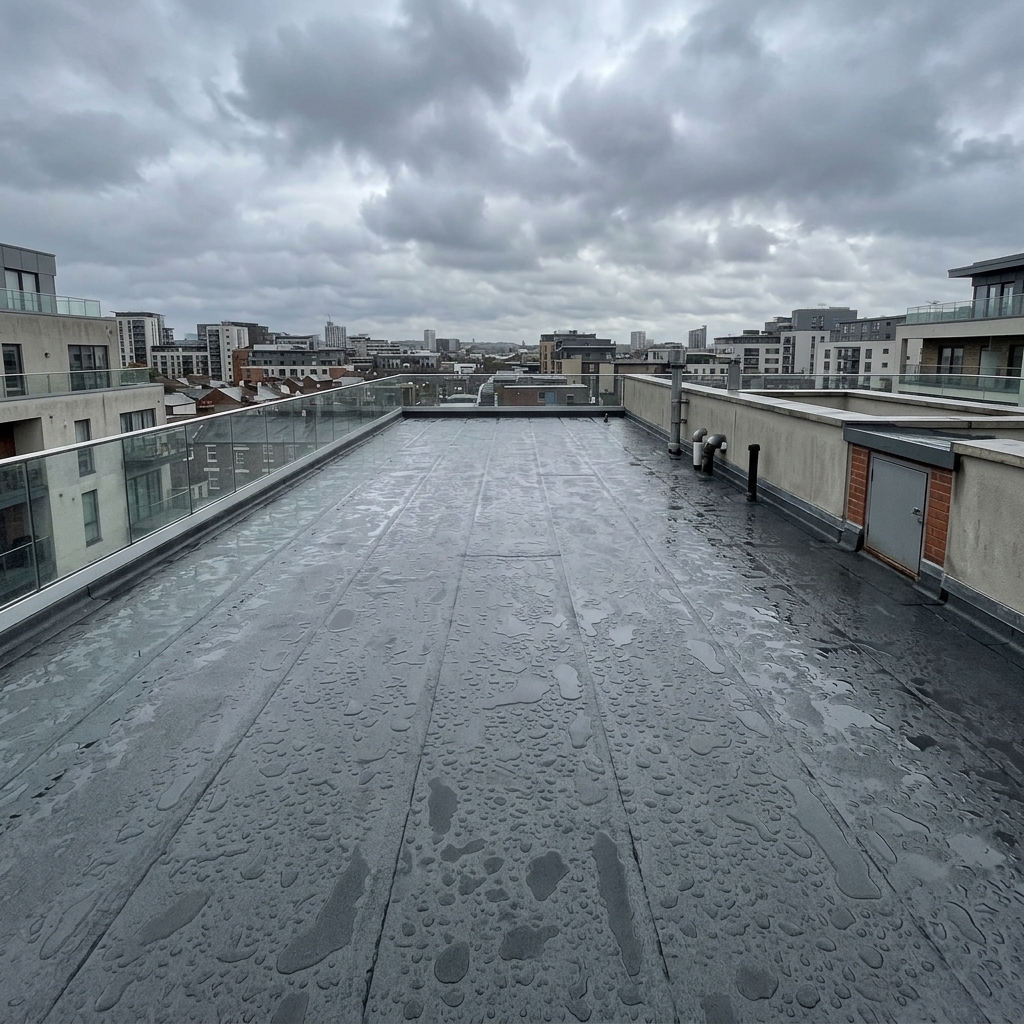
Nothing induces panic quite like spotting a massive, brown damp patch spreading across your living room ceiling during a heavy monsoon downpour. In Indore, the intense summer heat bakes roof concrete to its absolute limits, only for sudden, torrential rains to rapidly cool it down. This extreme thermal shock inevitably cracks the slab, allowing water to bleed right through to your interiors.
As a homeowner, understanding how terrace waterproofing solutions actually work, and why cheap, quick-fix tar paints always fail, can save you lakhs in structural repairs over the lifespan of your property. Let’s break down exactly how modern roof protection keeps your home dry and structurally sound.
Why Is Terrace Waterproofing Important for Your Home?
Terrace waterproofing is important for your home because exposed concrete is naturally porous and prone to cracking under thermal stress. When rainwater penetrates these cracks, it rusts the internal steel reinforcement, severely compromising the structural integrity of the roof and causing expensive interior ceiling damage.
Concrete might look solid, but on a microscopic level, it acts like a sponge. Once water breaches the surface and reaches the iron rebars inside the slab, the metal begins to rust and expand. This expansion cracks the concrete further from the inside out, which is a destructive process known as concrete spalling. A professionally installed waterproofing membrane stops this process dead in its tracks by establishing a flexible, impenetrable shield across the entire roof surface.
What Are the Common Causes of Terrace Leakage in Indore Homes?
The most common causes of terrace leakage in Indore homes include inadequate roof slopes causing water ponding, degraded expansion joints, and microscopic thermal cracks caused by rapid temperature shifts between scorching summers and heavy monsoons. Ignoring these initial hairline fractures guarantees deep structural water ingress over time.
Terrace leakage does not happen overnight. It is the result of compounding factors. Often, poor architectural slope design allows rainwater to pool in the center of the roof rather than flowing toward the drainage pipes. Standing water breaks down weak concrete much faster than flowing water. Furthermore, if previous waterproofing layers have deteriorated due to UV exposure, the bare concrete is left entirely defenseless against the elements.
What Are the Different Types of Terrace Waterproofing Solutions?
The different types of terrace waterproofing solutions include rigid cementitious coatings for older structures, flexible liquid acrylic membranes for exposed flat roofs, and heavy-duty polyurethane coatings that offer extreme UV resistance. The correct choice depends entirely on the building’s age, roof traffic, and existing concrete health.
Homeowners are often overwhelmed by the sheer variety of chemical treatments available in the market. Understanding the core difference between these systems ensures you don’t pay for a product that is incompatible with your specific roof type.
| Waterproofing Type | Ideal For | Key Advantage | Flexibility & Durability |
|---|---|---|---|
| Cementitious Coating | Old, rigid slabs with low foot traffic | Excellent adhesion to bare concrete | Low flexibility; lasts 3-5 years |
| Liquid Acrylic Membrane | Standard residential flat terraces | Highly breathable and eco-friendly | High flexibility; lasts 5-7 years |
| Polyurethane (PU) Coating | High-exposure, commercial roofs | Ultimate UV and water ponding resistance | Extreme flexibility; lasts 10+ years |
How Do You Choose the Right Waterproofing Approach?
You choose the right waterproofing approach by prioritizing a deep technical inspection of the roof’s slope, existing cracks, and drainage efficiency rather than just looking at the lowest price quote. A professional assessment guarantees that the chosen chemical treatment directly resolves the structural root cause of the leakage.
A common mistake homeowners make is selecting a generic waterproofing paste based solely on cost. Low-cost, DIY treatments often peel within a few months, leading to frustrating, repeated expenses. If you have a tiled terrace, you require a vastly different chemical solution compared to a raw, exposed concrete slab.
What Is the Professional Terrace Waterproofing Process?
The professional terrace waterproofing process begins with intensive surface grinding and high-pressure cleaning. Specialists then seal active cracks using epoxy compounds before applying multiple layers of an elastomeric liquid membrane, finishing the job with a rigorous water-ponding test to guarantee a completely leak-proof seal.
Effective waterproofing is a highly systematic engineering process, not a random application of paint. Dust and loose particles absolutely destroy the chemical bonding of modern membranes, so surface preparation usually takes longer than the coating application itself. After the final protective layer cures, reputable contractors flood the roof with water and monitor it for 24 hours to prove the system works flawlessly before handing it over.
Why Does Local Expertise Matter for Waterproofing in Indore?
Local expertise matters for waterproofing in Indore because contractors familiar with the Malwa region’s specific climate extremes know exactly which elastomeric compounds will survive the aggressive thermal expansion. Local specialists avoid generic, one-size-fits-all products that quickly blister or peel during peak summer heat.
Working with experienced local specialists drastically reduces the risk of trial-and-error failures. They know precisely which systems resist peeling under the harsh Central Indian sun and which remain watertight during weeks of continuous monsoon moisture exposure.
How Much Does Terrace Waterproofing Cost in Indore?
The cost of terrace waterproofing in Indore varies widely based on the total square footage, the depth of concrete surface preparation required, and whether an acrylic or premium polyurethane membrane is utilized. While industrial-grade materials cost more upfront, they eliminate the need for annual re-applications.
While it is tempting to seek the lowest quote from a local painter, it is critical to evaluate warranty coverage, the brand of materials being used, and the contractor’s execution standards. Investing in a premium system initially saves you a fortune in the long run by preventing structural decay and ruined interior aesthetics.
How Do Professional Roof Waterproofing Solutions Protect Your Home?
Professional roof waterproofing solutions protect your home by establishing an impenetrable, flexible barrier that prevents moisture from traveling down into your interior walls and electrical systems. This proactive defense stops toxic mold growth, preserves your interior paint, and secures the long-term market value of your property.
Beyond just the terrace, effective moisture control creates a healthier living environment completely free from musty odors and dampness.
If you are actively experiencing a roof leak and need immediate, guaranteed repair work from experienced engineers, explore our professional terrace waterproofing services in Indore to schedule an urgent site inspection and permanent fix.
Frequently Asked Questions
What is the best time to do terrace waterproofing?
Terrace waterproofing is best done before the monsoon or immediately after the rains. Dry weather ensures proper curing and adhesion of coatings. Early waterproofing prevents cracks from expanding and avoids severe leakage problems during heavy rainfall seasons.
How do I know if my terrace needs waterproofing?
Signs include damp ceiling patches, peeling interior paint, mould growth, a musty odour, and water dripping during rain. These indicate moisture penetration through terrace slabs. Immediate inspection and terrace leakage repair help prevent structural damage and costly interior repairs.
Which is the best waterproofing solution for a terrace?
The best waterproofing solution for a terrace depends on the surface condition, cracks, sun exposure, and foot traffic. Liquid acrylic membranes and polyurethane coatings offer high flexibility, while cementitious systems suit rigid, older slabs.
Can waterproofing be done on an old terrace?
Yes, waterproofing can be successfully applied to old terraces after rigorous surface preparation. Deep cracks are repaired, loose and crumbling layers are removed via grinding, and suitable chemical coatings are applied to restore protection and extend the slab’s life without requiring complete reconstruction.
What is the cost of terrace waterproofing in Indore?
Terrace waterproofing cost in Indore varies based on the total area size, surface condition, crack repair needs, and the chemical system used. Quality materials and skilled application cost more initially but drastically reduce repeated repairs, making professional waterproofing a highly cost-effective long-term investment.
How long does terrace waterproofing last?
The lifespan of waterproofing depends on material quality, application precision, sun exposure, and basic maintenance. Professionally executed liquid membrane systems typically last five to ten years, while premium polyurethane coatings can exceed a decade of protection.

About the Author: Vishwas Home Team
The Vishwas Home Team is a collective of structural engineers, certified applicators, and waterproofing specialists based in Indore. With decades of hands-on experience in resolving deep-rooted seepage problems, the team is committed to providing homes with permanent, inspection-led waterproofing solutions using the industry’s highest quality branded materials.