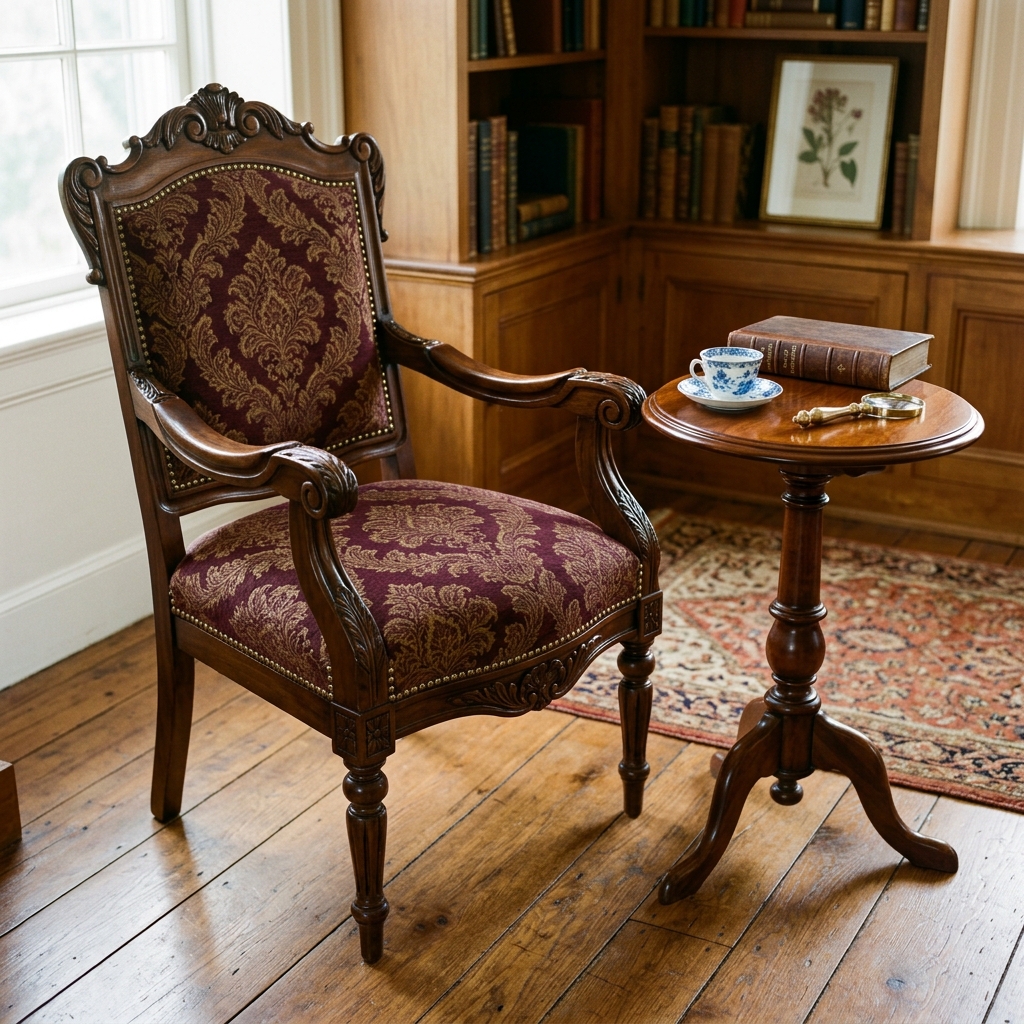
Solid wood furniture carries a legacy of craftsmanship and memories, but even the finest heritage pieces eventually succumb to Indore’s harsh summer heat, accumulating deep scratches, faded finishes, and stubborn moisture stains. Before you consider discarding a faded antique or replacing a dull, modern dining set, understand that professional restoration can completely revive its structural integrity and bring back its original showroom elegance.
Restoring wood is an intricate science that goes far beyond just slapping on a fresh coat of varnish. It requires understanding the specific wood grain, addressing hidden structural weaknesses, and applying the exact right chemical finish to protect the piece for decades to come.
What Does Furniture Restoration Actually Involve?
Furniture restoration involves a systematic process of repairing, sanding, and refinishing wooden pieces to revive their original strength and visual appeal. Unlike standard polishing, true restoration addresses deep structural damage like weakened joints, wide cracks, and severe moisture stains before applying any topcoat.
When assessing a piece for restoration, professionals look far beyond surface-level scratches. They evaluate the integrity of the wood fibers, checking for deep water damage or termite exposure. The process is highly tailored; restoring a soft pine wardrobe requires a drastically different approach than reviving a dense teakwood dining table. The ultimate goal is to preserve the authenticity of the wood while maximizing its modern durability.
How Does Premium Restoration Fix Damaged and Dull Furniture?
Premium restoration fixes damaged furniture by chemically stripping the old, degraded finish down to the raw wood. Carpenters then perform precision structural repairs and progressive grit sanding to create a perfectly smooth surface, which is finally sealed with advanced, moisture-resistant wood coatings for long-term protection.
Watermarks from hot cups, deep gouges from moving, and the gradual graying caused by UV sunlight exposure cannot be fixed with a quick polish. By bringing the furniture back down to its raw state, restoration experts can manipulate the wood’s natural pores, ensuring the new stains and sealants penetrate deeply and bond permanently with the fibers, rather than just sitting on top.
What Is the Exact Process for Antique Wood Restoration?
The process for antique wood restoration requires extreme precision to preserve the item’s historical value and original patina. Specialists use gentle, chemical-free stripping methods and structurally safe adhesives to reinforce weak joints without altering the authentic design or the natural aging character of the wood.
Antique furniture restoration is an art form. Using aggressive modern sanders or harsh commercial varnishes on a 100-year-old rosewood cabinet will instantly destroy its historical and financial value. Instead, experts rely on traditional hand-sanding techniques and natural oil finishes to carefully coax the original beauty back out of the wood without erasing its history.
How Does Restoration Differ from Simple Polishing?
Furniture restoration completely repairs structural and deep cosmetic damage by stripping the wood down to its core, whereas simple polishing only adds a superficial layer of shine to the existing surface. Polishing is a maintenance task, while restoration is a permanent structural rescue.
Many homeowners mistakenly believe a quick polish will fix their damaged tables. While polishing is excellent for routine maintenance, it will not fix loose legs, deep gouges, or sun-bleached patches.
| Feature | Simple Polishing | Complete Restoration |
|---|---|---|
| Primary Goal | To add shine and maintain the current finish. | To strip, repair, and rebuild the wood’s surface entirely. |
| Structural Impact | None; it is purely a cosmetic surface treatment. | High; involves fixing joints, filling cracks, and structural gluing. |
| Durability | Temporary (lasts 6 to 12 months depending on usage). | Permanent (lasts decades with proper care). |
| Best Used For | Lightly used furniture with an intact topcoat. | Severely scratched, water-damaged, or antique furniture. |
What Are the Real Benefits of Professional Restoration?
The real benefits of professional furniture restoration include extending the structural lifespan of expensive wooden pieces by decades and dramatically increasing their financial value. Furthermore, advanced chemical sealants applied during restoration protect the wood from Indore’s seasonal humidity and severe temperature shifts.
High-quality solid wood furniture is a major investment. By choosing to restore rather than replace, you are actively preventing high-quality timber from ending up in a landfill. A professionally restored piece is often stronger and more resilient to modern environmental factors than it was the day it was originally built.
If you own a valuable piece of furniture that desperately needs a professional revival, don’t attempt risky DIY fixes that could cause permanent damage. Explore our expert wooden polish and restoration services in Indore to schedule a structural assessment today.
Frequently Asked Questions
What do furniture restoration services actually include?
Furniture restoration services involve a comprehensive overhaul of a wooden piece. This includes safely stripping old varnish, repairing structural damage, fixing dents, correcting deep stains, reinforcing weak joints, and applying high-grade protective finishes to dramatically extend the furniture’s lifespan.
How is furniture restoration completely different from polishing?
Restoration involves stripping the wood down to its raw state to repair deep cracks and structural damage, whereas polishing merely adds a temporary layer of shine over the existing surface. Polishing focuses on appearance, while restoration focuses on permanent functionality and durability.
Can valuable antique furniture be restored safely?
Yes, antique furniture can be restored safely, but it requires highly specialized expertise. Skilled professionals use gentle, hand-applied techniques to preserve the original design, patina, and grain, while carefully repairing structural weaknesses without compromising the piece’s historical authenticity.
How long does a professional furniture restoration take?
The duration depends entirely on the severity of the damage and the type of finish required. Minor structural repairs and refinishing may take three to five days, while full antique restoration projects require weeks to ensure proper curing and long-term durability.
Is professional wood polish applied during restoration?
Yes, the final and most critical step of restoration is the application of professional-grade wood finishes (like PU or Melamine). These advanced sealants protect the newly exposed raw wood from moisture, heat, scratches, and daily wear.
How often does wooden furniture actually need to be restored?
True restoration is usually only needed once every few decades when visible wear, deep structural damage, or severe fading appears. However, regular maintenance polishing every year will significantly delay the need for a full restoration.

About the Author: Vishwas Home Team
The Vishwas Home Team is a collective of master carpenters, polishing experts, and interior specialists based in Indore. With a deep respect for wooden craftsmanship, the team utilizes industry-leading chemical finishes and traditional restoration techniques to breathe new life into heritage furniture and modern wooden structures alike.