Choosing the right exterior paint color for your Indian home can feel incredibly overwhelming. With thousands of confusing shades available on tiny paper swatches and the heavy pressure to balance aesthetic beauty with severe climate suitability, many homeowners struggle to make the right decision.
A home’s exterior is its most public face, serving as a permanent billboard for your personal style. However, picking a color simply because it looks good in a magazine is a dangerous gamble. If you select a cheap paint or the wrong chemical finish for your specific region, that vibrant color will quickly chalk, fade, and peel under the relentless assault of the Indian weather.
Why Does Exterior Paint Color Selection Matter So Much?
Exterior paint color selection matters immensely because it dictates heat absorption, paint longevity, and your property’s ultimate kerb appeal. In climates with intense, dry summer heat and heavy, humid monsoons, selecting the wrong chemical shade directly causes rapid fading, chalking, and premature peeling.
Beyond aesthetics, color is science. Darker colors naturally absorb massive amounts of solar radiation, physically heating up the exterior walls of your home and forcing your air conditioning units to work twice as hard. Conversely, highly reflective lighter colors bounce UV rays away, keeping the structural masonry significantly cooler during the brutal summer months.
What Are the Most Popular Exterior Color Palettes for Indian Homes?
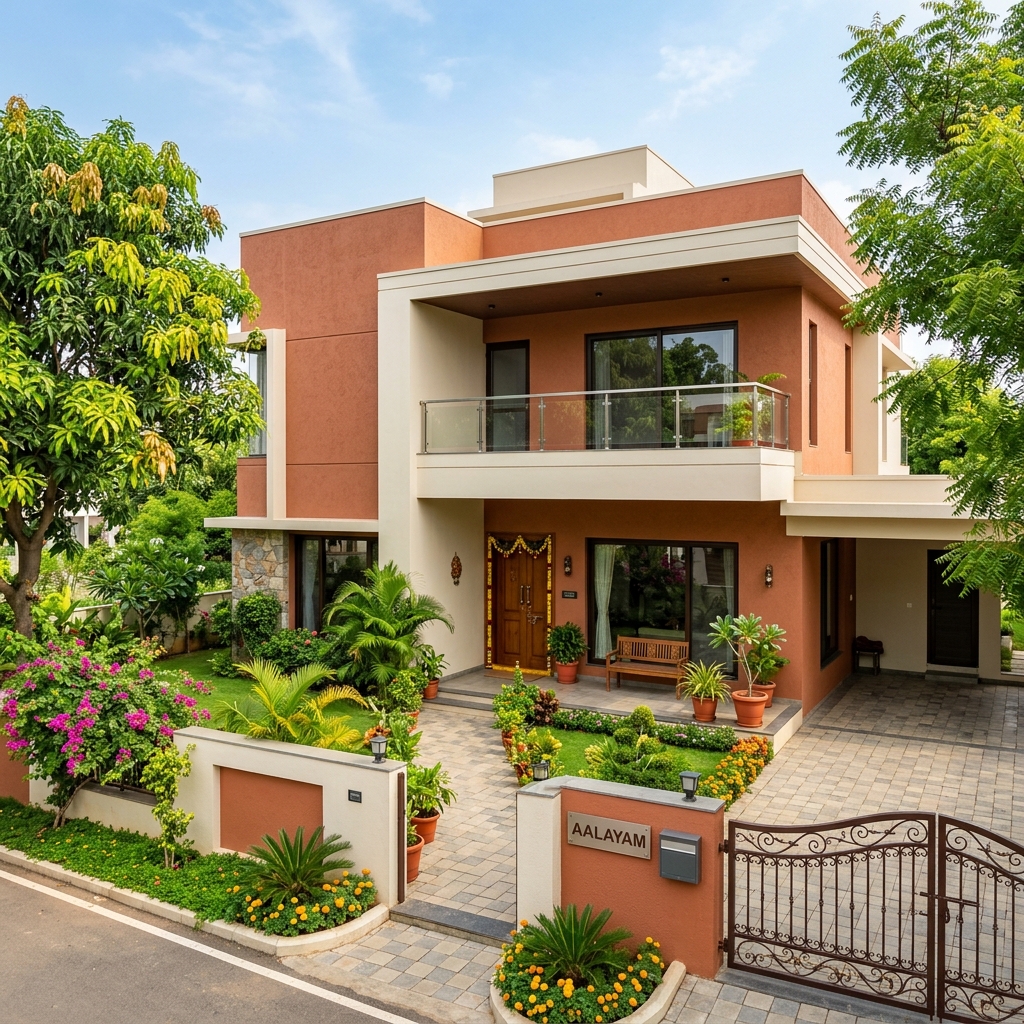
The most popular exterior color palettes for Indian homes heavily feature warm earth tones like terracotta and ochre, alongside classic, heat-reflecting brilliant whites. Recently, contemporary architects have begun integrating earthy olive greens and striking deep navy blues to create sharp, modern aesthetic contrasts.
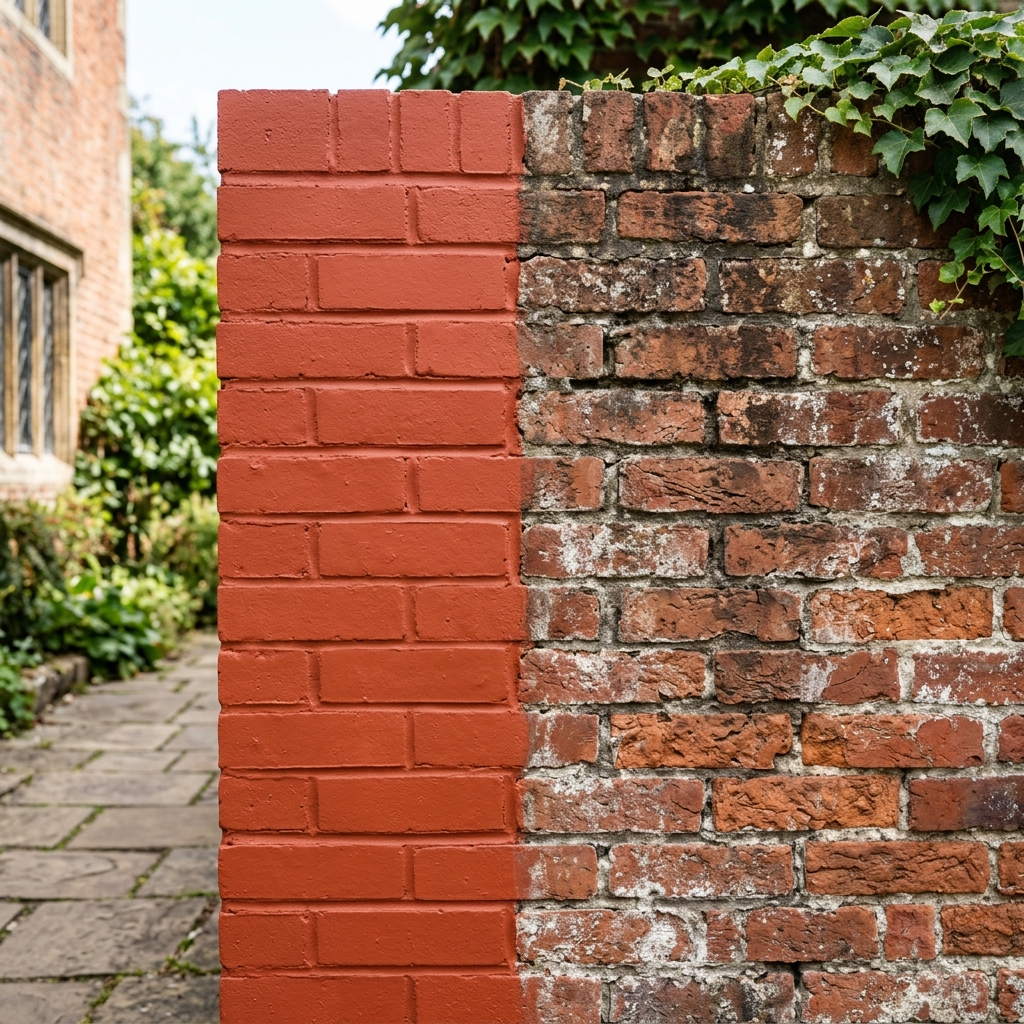
- Warm Earth Tones: Shades like terracotta, sandy beige, warm ochre, and rust complement traditional Indian architecture beautifully. These colors harmonize perfectly with the natural stone, exposed brick, and heavy wooden elements commonly found in regional homes.
- Classic Whites and Off-Whites: White is the ultimate heat reflector. Bright white, ivory, cream, and pearl are timeless, highly functional choices that make homes appear significantly larger and cleaner.
- Earthy Greens: Sage green, olive, and moss tones create a refreshing, biophilic look. These work particularly well for large villas and sprawling bungalows surrounded by lush garden areas.
- Deep Navy Blues: Deep blue tones are increasingly popular for hyper-modern Indian homes. When paired strategically with stark white architectural trim, they create a striking, contemporary facade.
How Do Different Exterior Paint Types Compare in India?
While choosing the color is the fun part, choosing the actual chemical paint type is what determines if your walls will survive the next monsoon. You must match the paint’s functional properties to your local environmental threats.
| Exterior Paint Type | Weather Resistance Level | Best Suited For | Expected Lifespan |
|---|---|---|---|
| Standard Acrylic Emulsion | Moderate; handles basic sun and light rain. | Budget-friendly repaints in mild climates. | 4 to 5 Years |
| Elastomeric Paint | Extremely High; stretches over structural cracks. | Homes facing severe, heavy monsoon rains. | 7 to 10 Years |
| Textured Exterior Finish | High; incredibly tough against physical abrasion. | Hiding severe wall imperfections and wavy plaster. | 10+ Years |
| Anti-Dust / Teflon Coated | High; forces dust and smog to wash off in the rain. | Urban homes situated on heavily polluted main roads. | 7 to 8 Years |
How Should the Local Climate Influence Your Paint Choices?
The local climate should entirely dictate your paint chemistry; for example, high-durability UV-resistant pigments are absolutely mandatory for south-facing walls to prevent rapid sun-bleaching. Furthermore, anti-fungal chemical additives must be used on shaded, north-facing walls where heavy monsoon moisture naturally accumulates and breeds moss.
If you live in a city like Indore, you face a dual-threat climate. The paint must be flexible enough to expand during 45°C summers without cracking, yet waterproof enough to completely repel torrential August downpours without bubbling. Never buy a standard paint for an extreme climate.
What Crucial Steps Should You Take Before Choosing an Exterior Color?
Before choosing an exterior color, you must physically test liquid paint samples directly on your exterior walls, as wet swatches dry completely differently under intense natural sunlight. You must also factor in the permanent color of your roof, gate, boundary walls, and surrounding streetscape to ensure total architectural harmony.
Never trust a digital screen or a tiny printed brochure. Paint a 2-foot by 2-foot square on both the sunniest and darkest sides of your house. Observe how the color drastically shifts from the bright morning sun to the deep, warm shadows of the late afternoon before making a final commitment.
Why Is Expert Advice Critical for Exterior Painting?
Expert advice is critical for exterior painting because professionals understand exactly how specific paint chemistries react to local weather conditions over a ten-year span. Color consultants provide digital visualizers and advanced structural assessments to ensure you never make an expensive, irreversible mistake on your property’s facade.
If you are ready to permanently upgrade your home’s curb appeal with weather-proof, vibrant colors, explore our professional exterior painting services in Indore to book your free digital color consultation today.
Frequently Asked Questions
Why shouldn’t I just paint my entire house a dark, bold color?
Dark colors absorb significantly more UV heat, which can actually increase the internal temperature of your home during summer. Furthermore, dark pigments fade much faster under harsh Indian sunlight, requiring repainting much sooner than light colors.
How can I prevent green moss and black algae from ruining my exterior walls?
You must specifically ask for exterior paints that contain advanced anti-fungal and anti-algal chemical additives. Additionally, ensuring your roof and parapet walls have proper water drainage will stop water from continuously running down the painted facade.
What is the absolute best time of year to paint the exterior of an Indian home?
The best time to paint is during the dry, moderate months, typically from October to March. You should never paint during the heavy monsoon season or during extreme peak summer heat, as the paint will not cure or bond properly.
Should the exterior boundary wall match the main house exactly?
It doesn’t have to match exactly. Many designers recommend using a complementary darker shade for the boundary wall to hide street dust and mud splashes, while keeping the main house a lighter, brighter color to make it stand out.
Does a textured exterior finish actually last longer than smooth paint?
Yes. Textured finishes are applied significantly thicker than standard smooth emulsions. Because of this thick, robust layer, they are vastly superior at hiding plaster imperfections, resisting hairline cracks, and surviving severe weather conditions for over a decade.

About the Author: Vishwas Home Team
The Vishwas Home Team is a collective of master painters, color consultants, and structural experts based in Indore. Specializing in climate-resistant exterior coatings, the team helps homeowners select and apply premium finishes that withstand extreme weather while maximizing curb appeal.